
But as you continue to drink, you become drowsy and have less control over your actions. Practical advice for better mental health, direct to your inbox each month. Halfway house By identifying the cues and triggers that make us crave drinking, we can begin to predict, prepare for and act against a large subset of triggers.
Understanding Zepbound and Its Mechanism of Action

When you understand what your loved one is going through, it’s easier to support them. Journaling – writing down your feelings, thoughts or experiences can help you process emotions, release tension and identify triggers for your cravings. Journaling can also be used to reaffirm your reasons for cutting back or quitting alcohol and stay on track with your progress. Mindfulness-based techniques – practising deep breathing, meditation, body scanning or yoga can reduce stress and help you to be more aware of your cravings without acting on them. These techniques encourage calmness and self-awareness, making it easier to resist urges. Zepbound’s primary mechanism revolves around its ability to enhance satiety and control hunger.

Incorporating These Foods into Your Diet to Curb Alcohol Cravings
This planning helps individuals recognize early warning signs, respond effectively to cravings, and stay connected to recovery resources. These techniques are taught and reinforced in therapy, ensuring individuals are supported as they build confidence in managing cravings over time. It is better to accept them as normal and actively treat them through a variety of methods, including possibly taking medication. Counseling, medication, support from family and friends, changing your diet, taking supplements, and alternative treatments may all help lessen your alcohol cravings. The protein in poultry and fish helps in the production of dopamine, which can help improve your mood as you fight alcohol cravings. These cravings can be frustrating if you’re trying to cut down on alcohol, drink less or stop drinking completely, but they are quite normal.
General Health
Whether you’re just starting your journey or have had setbacks along the way, we’re here to help you build a meaningful, sober life. Alcohol cravings can feel like a strong wave pulling you toward a drink — especially when you’re trying to quit or cut back. For many people in recovery, managing these intense urges is one of the biggest challenges to staying sober. At Nova Recovery Center, we know how difficult alcohol cravings can be and we’re here to provide the tools and support you need to overcome them. With time, and by practicing new responses, you’ll find that your urges to drink will lose strength, and you’ll gain confidence in your ability to deal with urges that may still arise at times. If you are having a very difficult time with urges, or do not make progress with the strategies in this activity after a few weeks, then consult a healthcare professional for support.
Can medication help with alcohol cravings?
- Alcohol can worsen depression and be an emotional crutch, making it difficult to experience true happiness outside of drinking.
- Many people in recovery wonder how long after quitting alcohol does your body heal, as physical and neurological systems gradually regain balance.
- As alcohol becomes less enjoyable to you, alcohol cravings can also diminish.
- For example, clients taking naltrexone who still experience some degree of craving—either during or immediately after treatment—may require extended therapy.
Generally, the more alcohol you drink on a regular basis, the longer it takes for cravings to subside. It’s important to note that you may or may not be aware of these external triggers as reasons for your alcohol cravings. Consider tracking and analyzing your urges to drink for a couple of weeks. This will help you become more aware of when and how you experience urges, what triggers them, and ways to avoid or control them. This continuous stimulation leads to a blunting of the brain’s natural dopamine response, forcing the individual to seek more alcohol to achieve the same feeling or simply to feel normal.
Strategies To Lessen The Power Of Triggers
We are here to support you with trusted information, personalized care, and a clear path toward lasting recovery and well-being. Alcohol cravings are best managed within a clinical framework that recognizes alcohol use disorder as a medical condition. Alcohol rehab programs provide structured environments where cravings can be addressed safely, especially during early recovery. Alcohol detox in a professional setting helps manage these symptoms safely while providing support that reduces the risk of relapse during this vulnerable stage. There is some scientific evidence suggesting acupuncture provided by a qualified practitioner can help cut alcohol consumption and lessen alcohol withdrawal symptoms (11). In addition to reducing daily drinking, naltrexone has been https://www.technorange.com/2023/10/how-to-taper-off-alcohol-key-strategies-and-tips/ shown to reduce alcohol cravings as a measurable symptom (3).
Collaboration with Healthcare Providers
This neurological shift contributes to alcohol addiction and explains why cravings can persist even after drinking stops. Ongoing research continues to explore broader health implications, including whether drinking alcohol raises the risk of stroke in individuals with long-term alcohol use. In this guide, we’ll explore the science behind alcohol cravings, how long they typically last, what influences their intensity, and—most importantly—how to manage them effectively. From brain chemistry and behavioral strategies to tech tools and emotional reframing, this is your go-to resource for surviving (and thriving through) cravings on your sobriety journey. Most researchers and clinicians agree that a greater understanding of all aspects of craving is necessary in order to improve treatment.
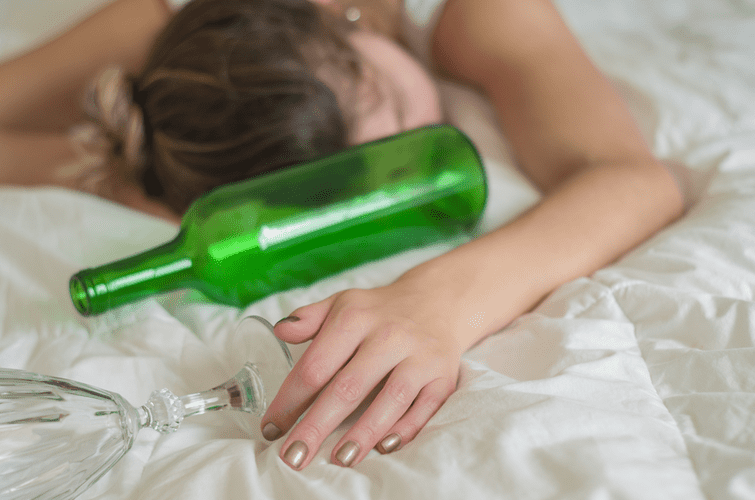
Helpful Tips For Managing Alcohol Cravings
At Compassion Behavioral Health, we understand that addiction is multifaceted. While nutrition can play a pivotal role, professional intervention often craving alcohol becomes indispensable. Our dedicated team, leveraging evidence-based methodologies, offerouprs personalized treatment plans for alcohol addiction catering to individual needs. From individual counseling sessions and group therapies to holistic approaches, we ensure a rounded recovery path. Fermented foods, such as yogurt and sauerkraut, can improve gut health, enhance mood, and potentially help alleviate alcohol cravings.